Mathematics & sciences
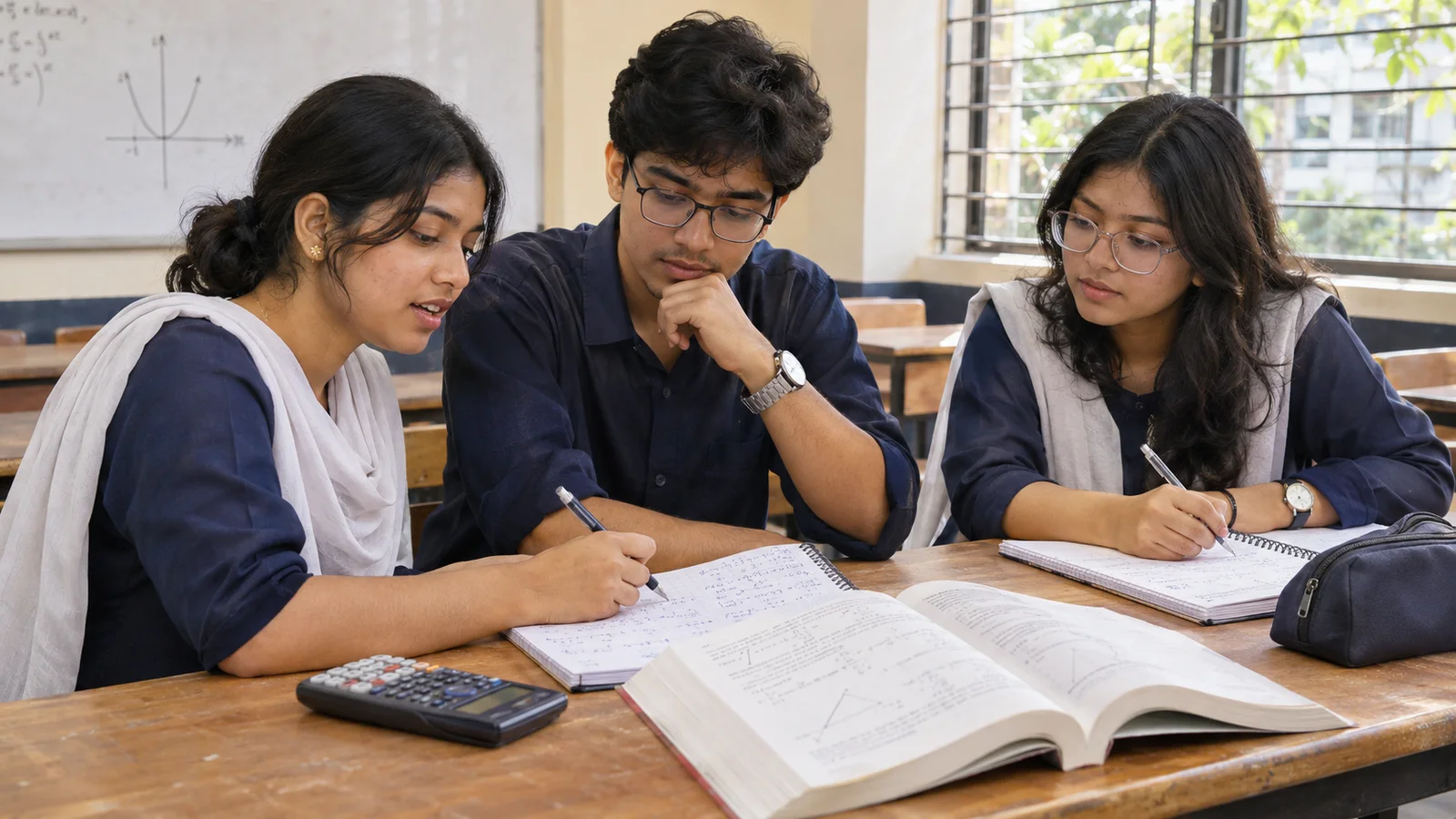
Mathematics, Further Mathematics, Physics, Chemistry and Biology.
 LONDON GRAMMARS C H O O L
A LEVELS / ADVANCED STUDY
Go deeper. Think independently. Shape your next chapter.
SUBJECT PLANNING
These examples explain Cambridge’s subject catalogue. The qualification, subjects and examination series for each student are recorded in their school programme and admission offer.
Mathematics, Further Mathematics, Physics, Chemistry and Biology.
Accounting, Business and Economics connect analysis with real-world decisions.
Computer Science connects computational thinking with problem solving.
English Language, Literature in English, Geography and other subjects support extended analysis.
Cambridge International AS & A Levels develop deeper subject understanding, independent thinking and the ability to evaluate evidence and communicate reasoned arguments. Subject selection should connect academic strengths with future study.
Cambridge International AS Level typically involves one year of study and A Level typically two. Assessment routes vary by subject. Some subjects permit a staged route; use the current syllabus to establish the applicable papers and combination.
Science and engineering routes often draw on mathematics and sciences; business and social-science routes may connect mathematics, economics, business or accounting; language and humanities routes emphasise argument and analysis. These are planning examples, not universal university entry rules.
Students analyse unfamiliar material, explain assumptions, evaluate evidence and organise extended answers. Timed practice should be balanced with reading, problem solving, research and feedback. Scientific subjects also develop practical understanding.
Keep a record of interests, work, activities and academic progress. Compare official course requirements, prepare application writing carefully and plan deadlines. Subject requirements, language tests and recognition decisions differ between institutions and countries.